Flooring materials for Tennessee houses
What each one is good at, what it costs installed here, and the rooms where it is the wrong answer.
Eight kinds of floor
What each one is good at, what it costs installed here, and the rooms where it is the wrong answer.
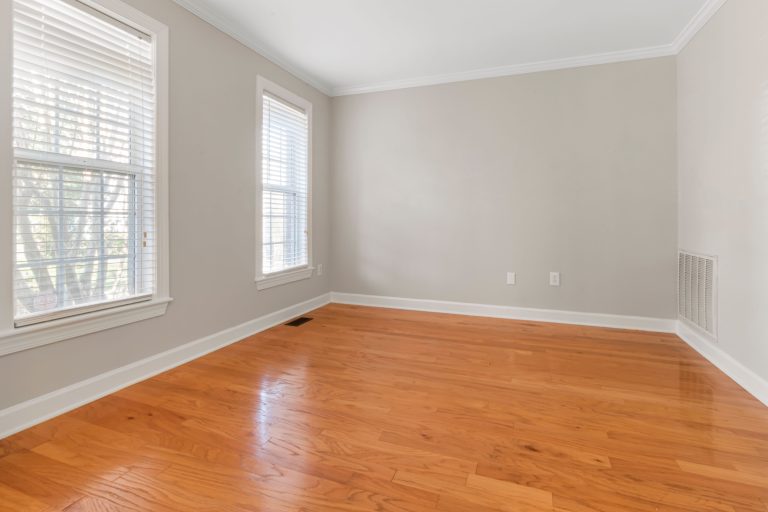
Hardwood
Solid and engineered. Still the best resale return on this list.
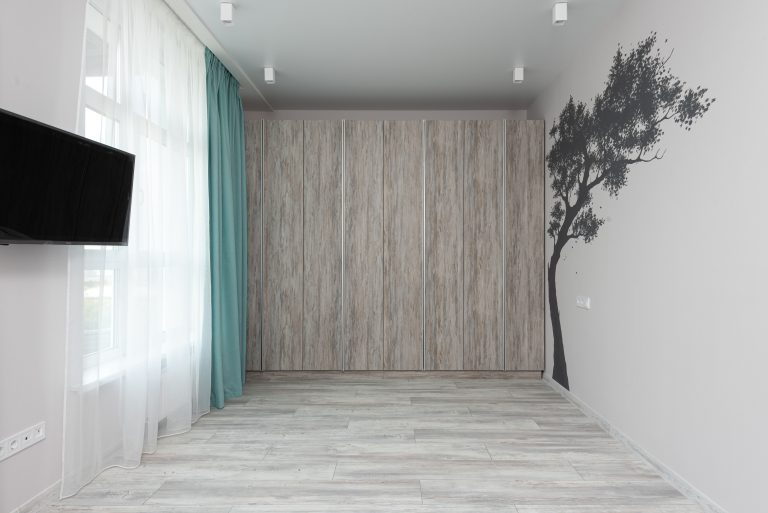
Luxury Vinyl Plank
Waterproof, and the usual answer over a damp crawl space.
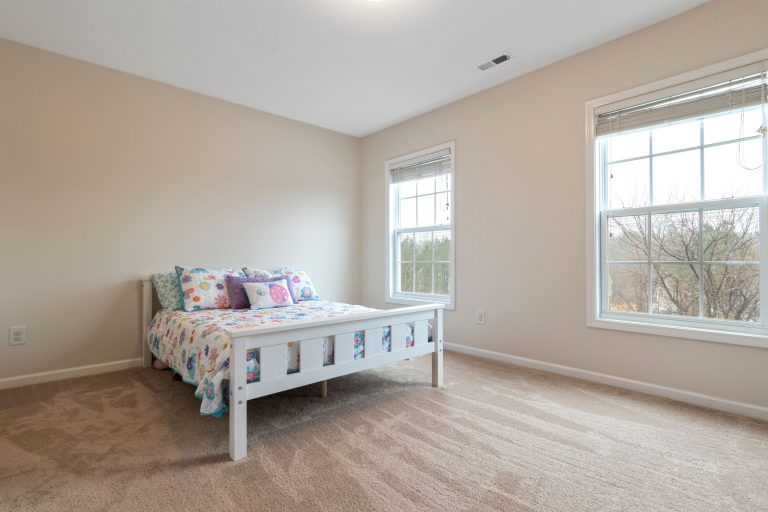
Carpet
Bedrooms, stairs and the rooms that sit coldest over the crawl space.
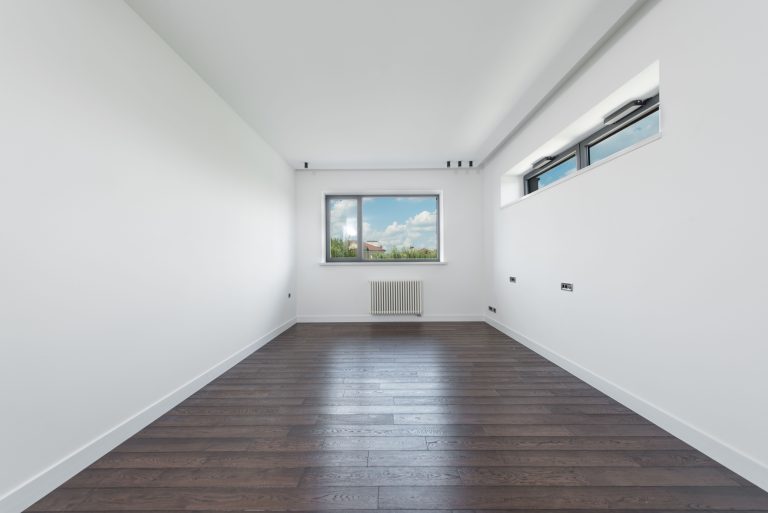
Refinishing
Sand, stain and seal the boards already under the carpet.
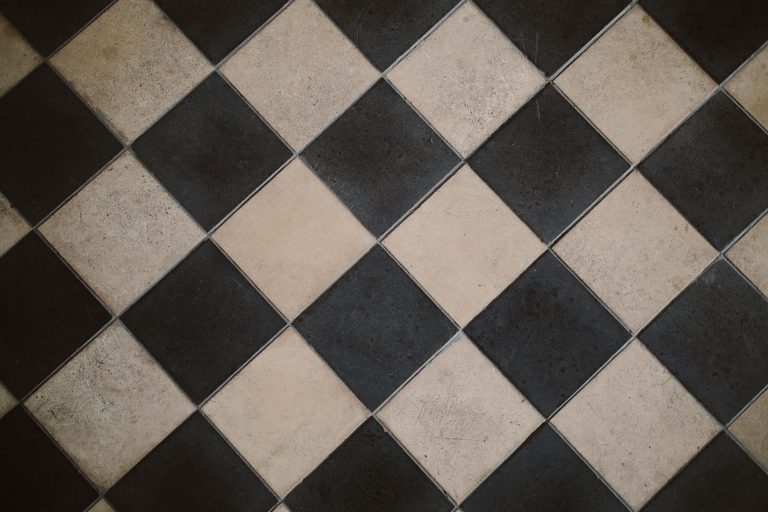
Tile & Porcelain
Entries and halls that take red clay and summer downpours.
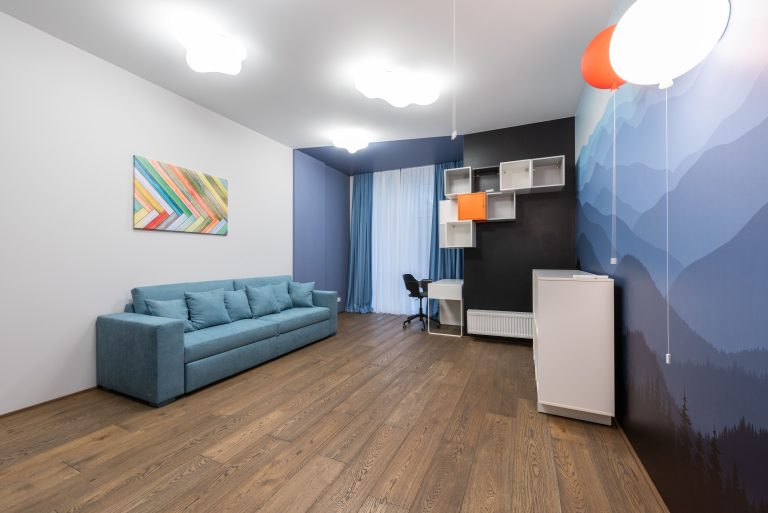
Laminate
The budget end done properly — and where it is a false economy.
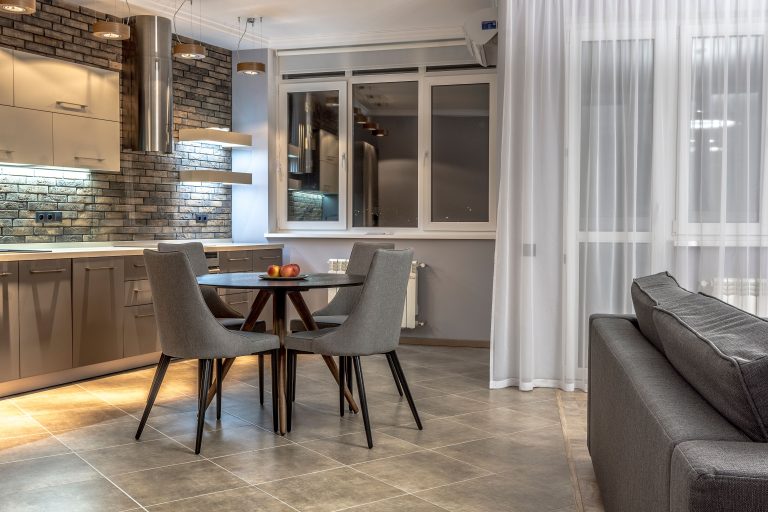
Natural Stone
Foyers and hearths, where the floor does the talking.
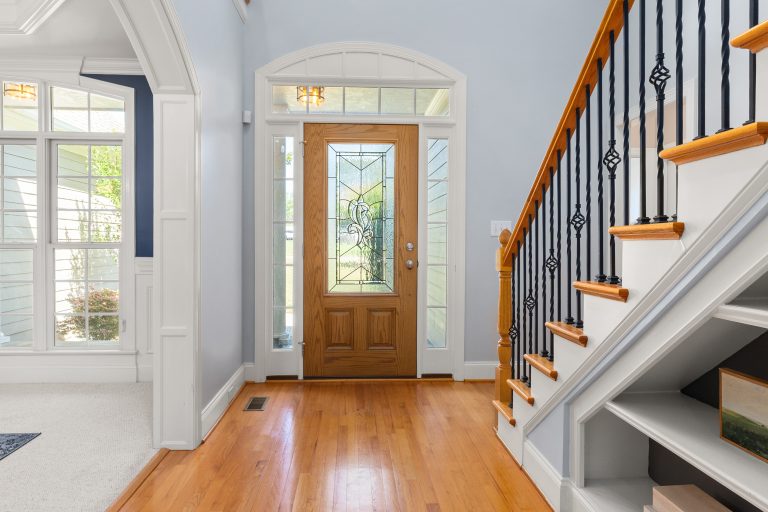
Stairs & Landings
Treads, risers and railings, split-level included.
Installed ranges across Tennessee
Materials and labor together. The Nashville metro sits at the top of each band; Knoxville, Chattanooga and greater Tennessee sit at the bottom.
| Work | Installed range | |
|---|---|---|
| Hardwood, installed | $6 – $22 | per sq ft |
| Luxury vinyl plank | $2 – $12 | per sq ft |
| Carpet, installed | $2 – $8 | per sq ft |
| Laminate | $3 – $9 | per sq ft |
| Refinish existing boards | $3 – $8 | per sq ft |
| Tile, installed | $9 – $15 | per sq ft |
| Removing the old floor | $1 – $4 | per sq ft |
An estimate, not a quote. These are planning ranges for Tennessee, not a quote. What you actually pay depends on your rooms, your subfloor and the material you choose.
Choosing between them
In a Tennessee house the choice is narrowed by the building far more than by taste. Three questions settle most of it:
- What is the crawl space doing? If it runs above 55% relative humidity, wood products are a bad bet — that means solid hardwood and laminate — and rigid-core luxury vinyl plank or tile is the answer until it is fixed.
- What is the subfloor? A diagonal plank subfloor takes nailed solid hardwood and carpet directly. Everything else wants an underlayment or an overlay first, and that is a real cost. How to identify yours.
- How much does the floor move? Joists over a crawl space deflect, and rigid materials crack. Tile and stone need a deflection check before a product is chosen, not after.
And one that comes before all three: is there already a hardwood floor under the carpet? In a great many Tennessee houses there is, and refinishing it costs roughly a third of replacing it.
Questions people actually ask
Why is my hardwood floor cupping?
Almost always crawl space humidity. Cupping happens when the underside of a board sits at a higher humidity than the top, which is the normal state of an unsealed Tennessee crawl space in summer. Fix the crawl space first, let the floor come back over several months, and only then decide whether it needs sanding — sanding it flat while still wet makes it crown later, which is worse.
Will a vapor barrier under the flooring stop cupping?
No. A retarder such as 15 lb felt under the boards does not prevent cupping or buckling, because it does not change the humidity underneath the floor structure. What works is a ground vapor barrier in the crawl space, sealed vents, and often encapsulation with a dehumidifier.
What humidity should a Tennessee crawl space hold?
Below 55% relative humidity. Between 55% and 60% moisture begins collecting on cool surfaces like ductwork and floor joists, and wood moisture content past about 19% is where floor systems swell and hardwood cups.
Does a flooring installer need a license in Tennessee?
Usually not, and that is not a warning sign. Flooring is finish work: a flooring subcontractor is not required to be licensed unless bidding directly to the owner, and a full contractor license applies from $25,000 in total project cost. Between $3,000 and $24,999 a Home Improvement license is required in nine counties. Most residential flooring jobs fall below those thresholds. Check insurance, references and the written contract — those tell you more than a license would.