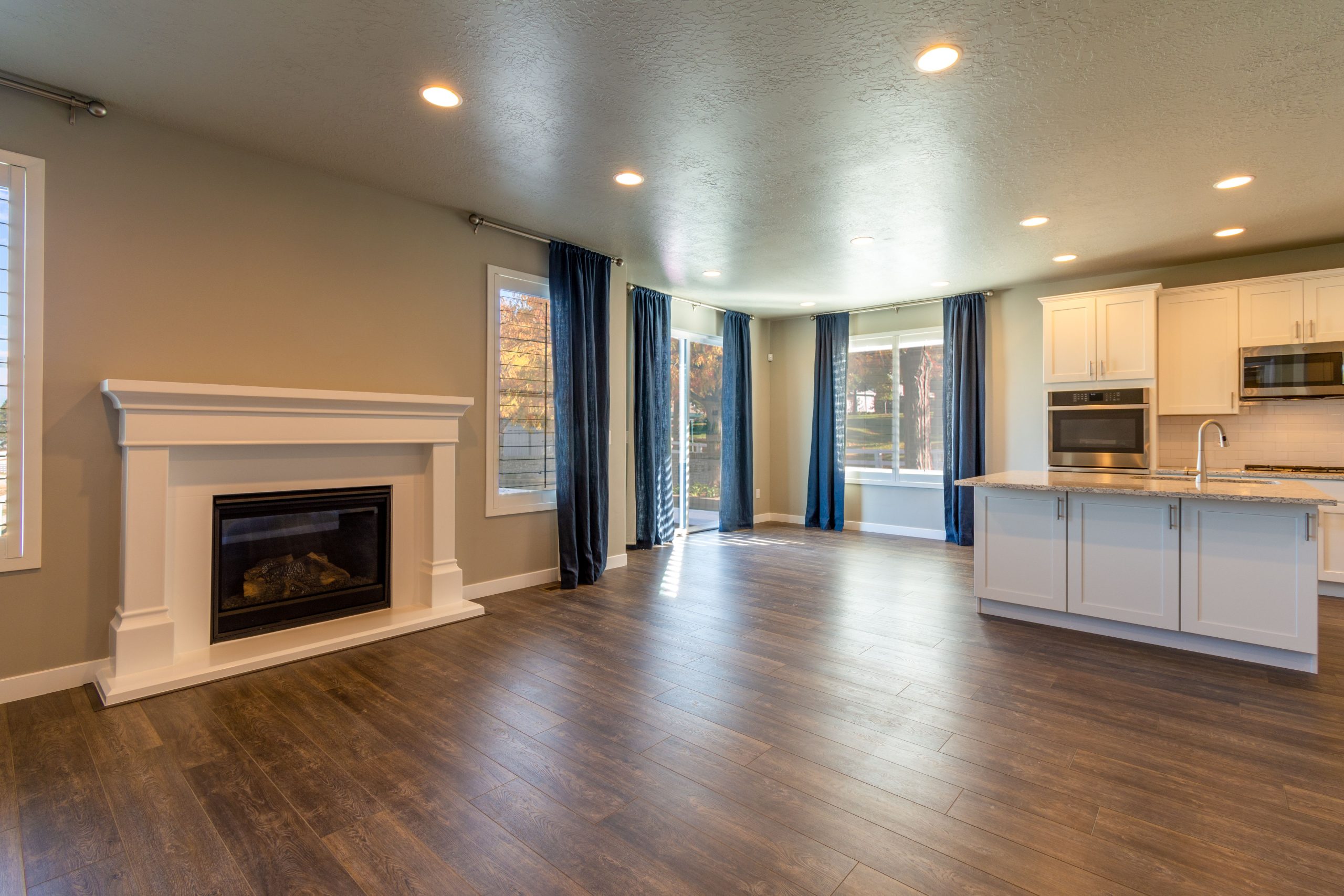
What a new floor costs in Tennessee.
Eight materials, installed ranges from Nashville to Jackson, and a cost estimator that runs in the page. No forms, no email gate, and nobody calls you afterwards.
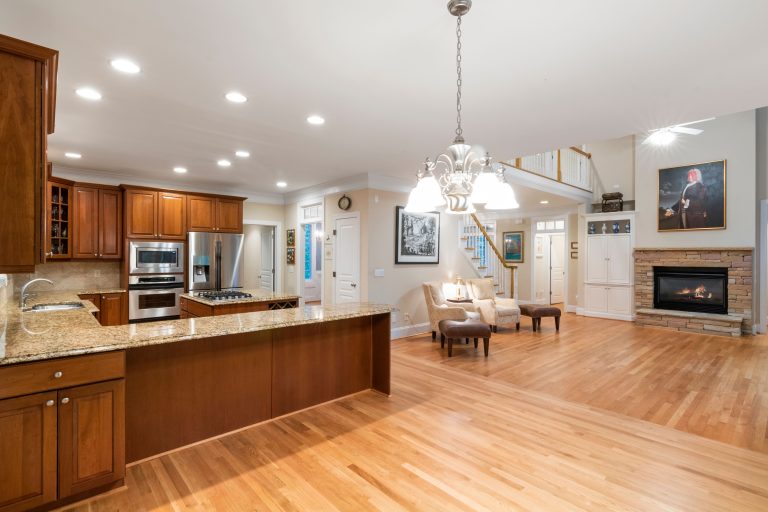
Kitchen
Spills, chairs and standing all evening.
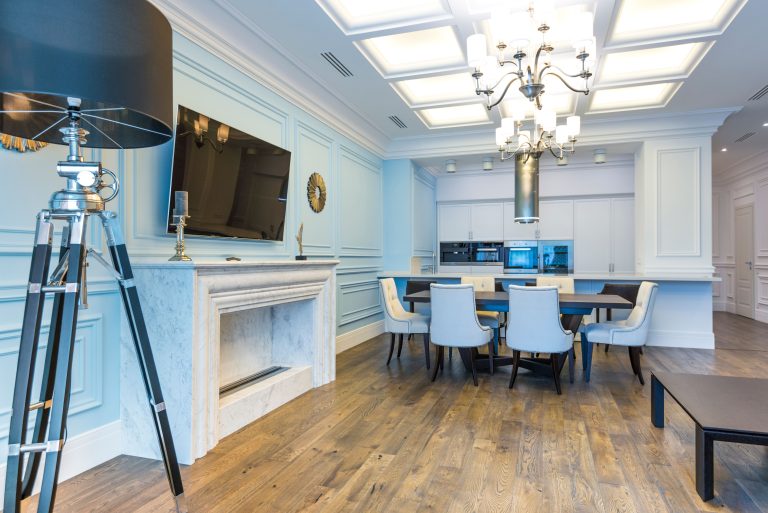
Living room
The floor everyone sees first.
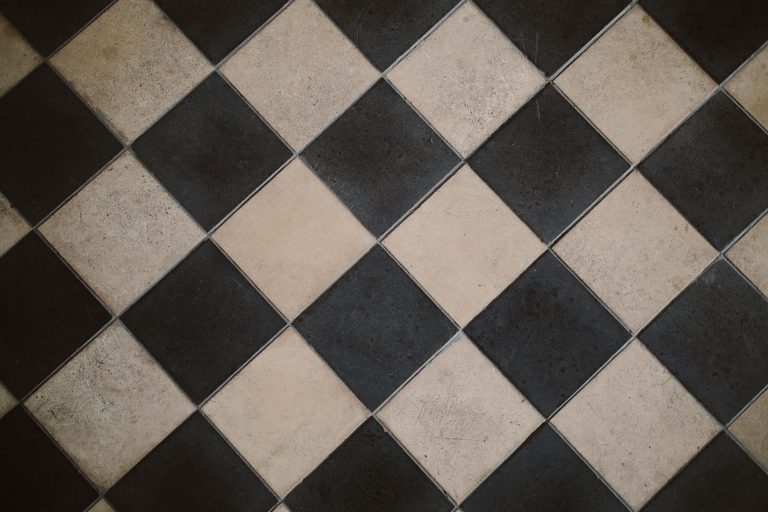
Entry & hall
Red clay, rain and everything the door lets in.
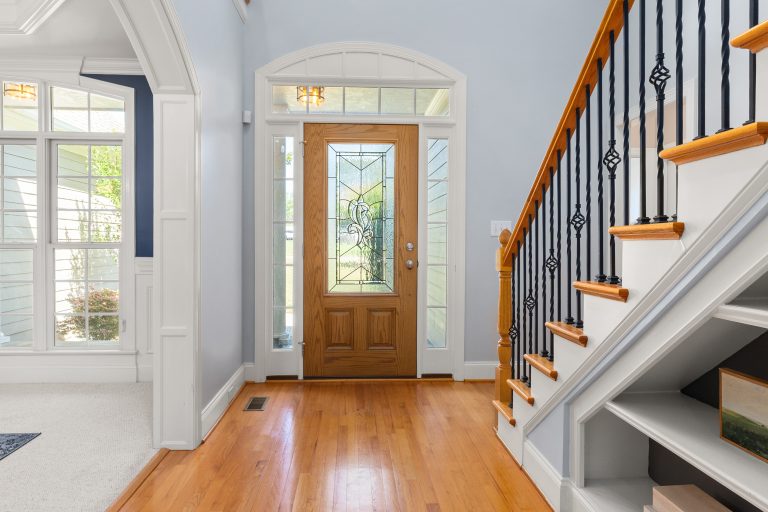
Stairs
The most-walked surface in the house.
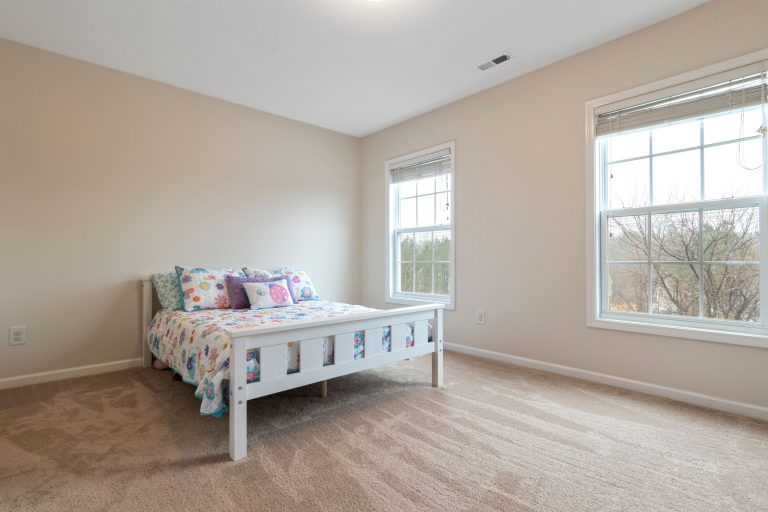
Bedrooms
Quiet, warm, and the cheapest room to get right.
Sunroom & porch
Unconditioned, and it swings forty points of humidity a year.
Eight kinds of floor
What each one is good at, what it costs installed here, and the rooms where it is the wrong answer.
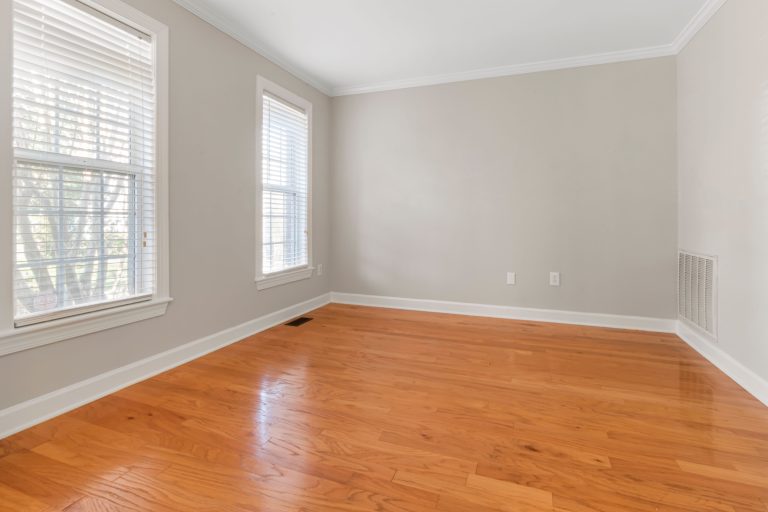
Hardwood
Solid and engineered. Still the best resale return on this list.
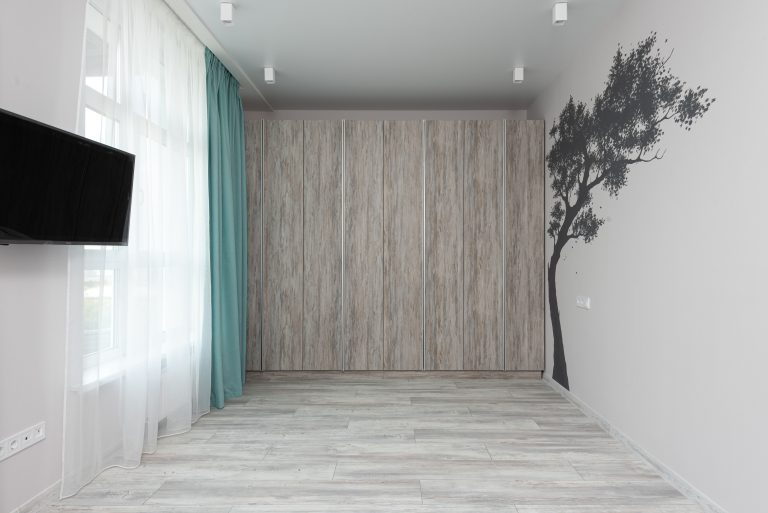
Luxury Vinyl Plank
Waterproof, and the usual answer over a damp crawl space.
Carpet
Bedrooms, stairs and the rooms that sit coldest over the crawl space.
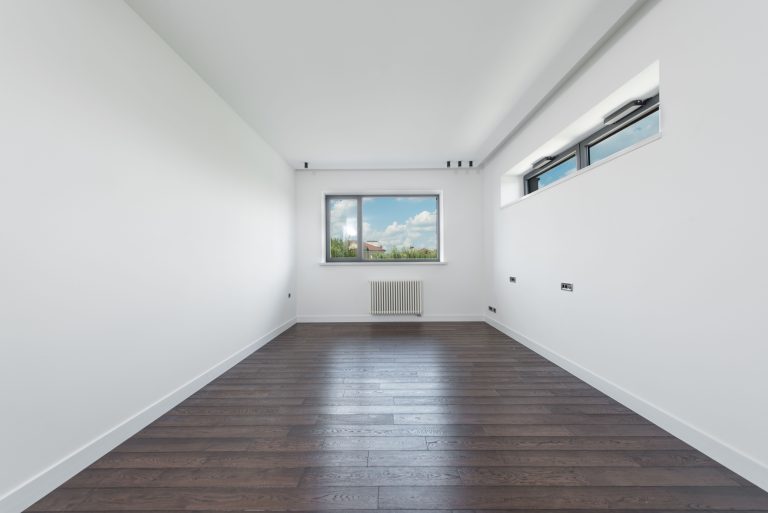
Refinishing
Sand, stain and seal the boards already under the carpet.
Tile & Porcelain
Entries and halls that take red clay and summer downpours.
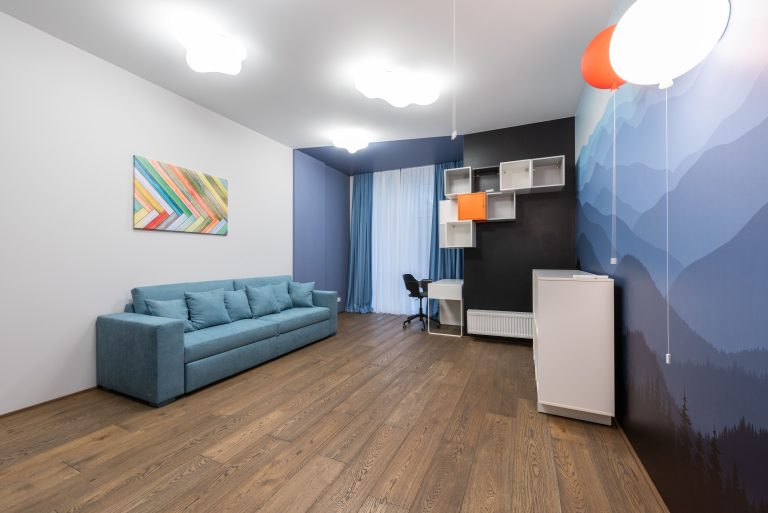
Laminate
The budget end done properly — and where it is a false economy.
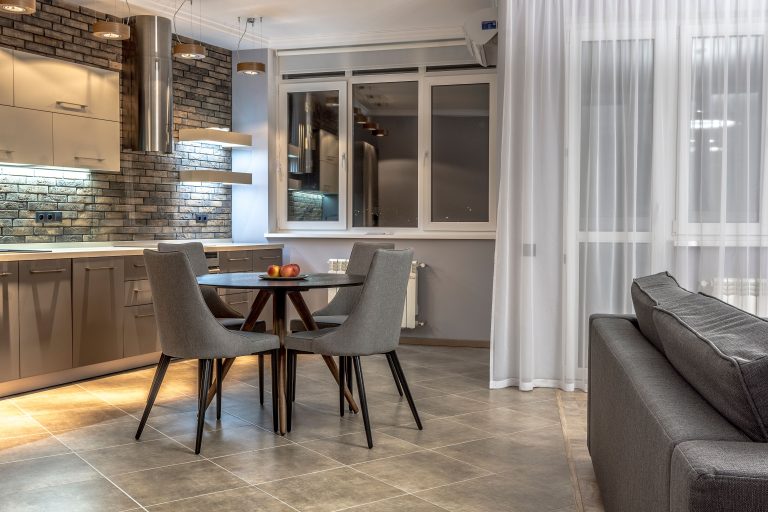
Natural Stone
Foyers and hearths, where the floor does the talking.
Stairs & Landings
Treads, risers and railings, split-level included.
Installed ranges across Tennessee
Materials and labor together. The Nashville metro sits at the top of each band; Knoxville, Chattanooga and greater Tennessee sit at the bottom.
| Work | Installed range | |
|---|---|---|
| Hardwood, installed | $6 – $22 | per sq ft |
| Luxury vinyl plank | $2 – $12 | per sq ft |
| Carpet, installed | $2 – $8 | per sq ft |
| Laminate | $3 – $9 | per sq ft |
| Refinish existing boards | $3 – $8 | per sq ft |
| Tile, installed | $9 – $15 | per sq ft |
| Removing the old floor | $1 – $4 | per sq ft |
An estimate, not a quote. These are planning ranges for Tennessee, not a quote. What you actually pay depends on your rooms, your subfloor and the material you choose.
Work out your own number
Your room, your material, what is already down. It runs in the page, it does not ask for your email, and nobody calls you afterwards.
- Runs entirely in your browser — nothing is sent anywhere unless you ask us to email it.
- Splits the number into materials, labor and the extras that actually move a flooring bill.
- Regional labor differences are applied to labor only, because that is the part that varies.
- No email required, no phone number, and nobody calls you.
Four things that are specific to Tennessee
The crawl space decides what your wood floor does
Most Tennessee houses sit on a crawl space rather than a basement or a slab, and that is where wood floors are won or lost. Cupping — board edges higher than the middle — happens when the underside of the floor sits at a higher humidity than the top. In a Nashville summer, with outdoor humidity near 65%, an unsealed crawl space can push wood moisture content past 19% and the floor will cup. A healthy crawl space stays below 55% relative humidity; between 55% and 60% moisture starts collecting on ductwork and joists.
Felt under the floor does not fix cupping
A vapor retarder such as 15 lb roofing felt laid under the flooring will NOT prevent cupping or buckling. It slows vapor slightly; it does not change the humidity in the crawl space, which is the actual cause. The fix is a ground vapor barrier, sealed vents, and in many Tennessee houses full encapsulation with a dehumidifier — a crawl space job, not a flooring job. An installer who answers a cupping question with "we will put felt down" has not diagnosed it.
Do not sand a cupped floor while it is still wet
This is the expensive mistake. A cupped floor that is sanded flat before the moisture problem is fixed will crown when it finally dries — the middle of each board ends up higher than the edges, and that is not recoverable without replacing boards. Fix the crawl space, give the floor months to come back, and only then decide whether it needs sanding at all. Plenty of cupped floors flatten out on their own.
Most flooring work needs no contractor license — and that is normal
Flooring is finish work, and in Tennessee a flooring subcontractor is not required to be licensed unless they bid directly to the owner. A full contractor license only comes into play for a job of $25,000 or more in total cost, and a Home Improvement license applies between $3,000 and $24,999 in nine counties (Bradley, Davidson, Hamilton, Haywood, Knox, Marion, Robertson, Rutherford and Shelby). Most residential flooring jobs sit under those thresholds, so an installer without a license is usually operating exactly as the law allows. Insurance, references and a written contract are the checks that actually matter.
relative humidity a crawl space should hold
wood moisture content where floors start to cup
typical Nashville summer outdoor humidity
moisture content hardwood should reach before it goes down
Across Tennessee
Nine Tennessee cities, each with its own housing stock and its own answer. Every figure on these pages is that city's own Census number, not a state average.
Questions people actually ask
Why is my hardwood floor cupping?
Almost always crawl space humidity. Cupping happens when the underside of a board sits at a higher humidity than the top, which is the normal state of an unsealed Tennessee crawl space in summer. Fix the crawl space first, let the floor come back over several months, and only then decide whether it needs sanding — sanding it flat while still wet makes it crown later, which is worse.
Will a vapor barrier under the flooring stop cupping?
No. A retarder such as 15 lb felt under the boards does not prevent cupping or buckling, because it does not change the humidity underneath the floor structure. What works is a ground vapor barrier in the crawl space, sealed vents, and often encapsulation with a dehumidifier.
What humidity should a Tennessee crawl space hold?
Below 55% relative humidity. Between 55% and 60% moisture begins collecting on cool surfaces like ductwork and floor joists, and wood moisture content past about 19% is where floor systems swell and hardwood cups.
Does a flooring installer need a license in Tennessee?
Usually not, and that is not a warning sign. Flooring is finish work: a flooring subcontractor is not required to be licensed unless bidding directly to the owner, and a full contractor license applies from $25,000 in total project cost. Between $3,000 and $24,999 a Home Improvement license is required in nine counties. Most residential flooring jobs fall below those thresholds. Check insurance, references and the written contract — those tell you more than a license would.