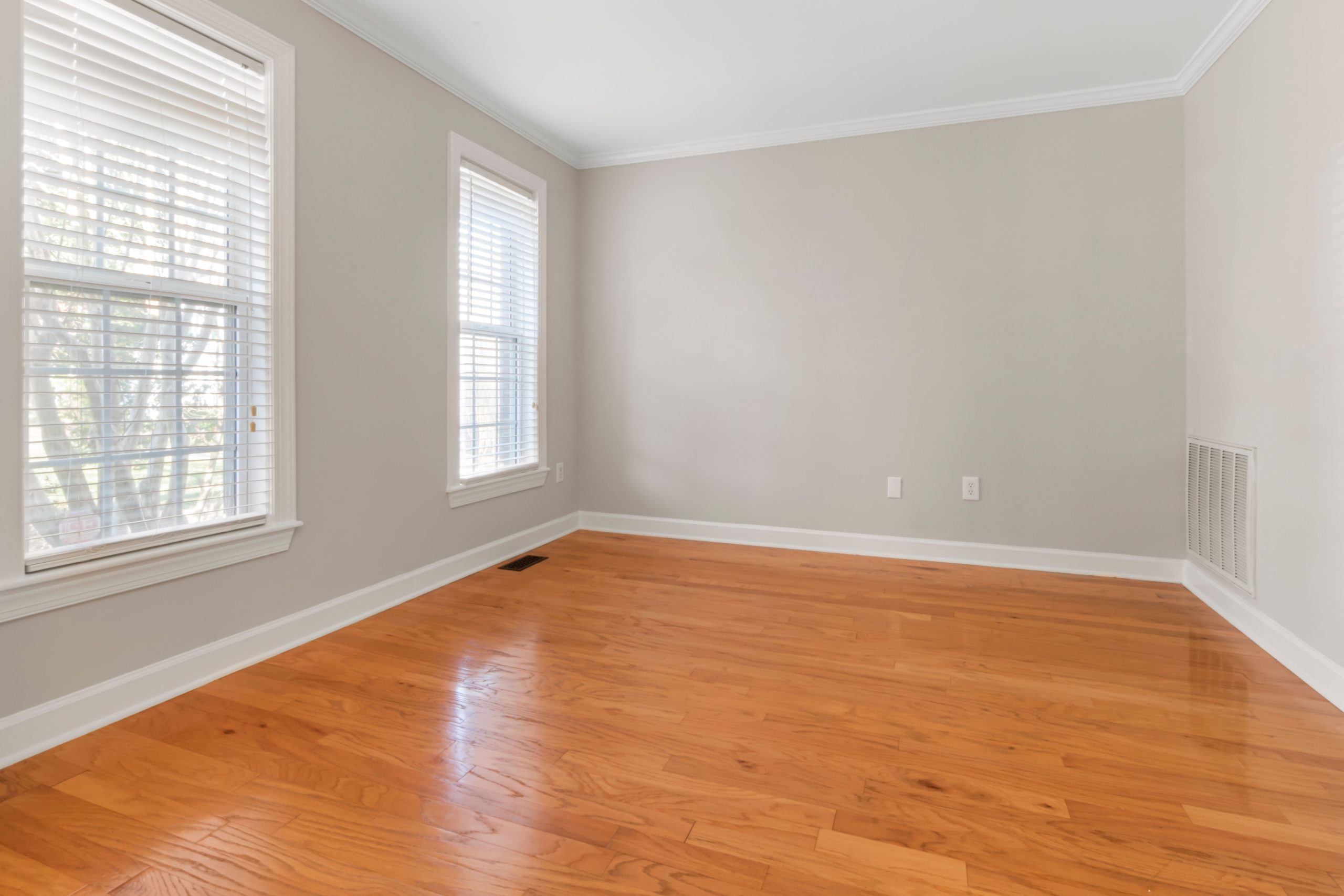
Flooring in Chattanooga, Tennessee
The median Chattanooga home was built in 1976, and 12.6% of them predate 1940. That is what decides your floor here.
What Chattanooga's housing stock does to a floor
Chattanooga matches Knoxville almost exactly — 12.6% predating 1940, median 1976 — and sits in a river valley where summer humidity is persistent. A wood floor here lives or dies on what the crawl space is doing.
Unusually for Tennessee, Chattanooga and Hamilton County are close in age — 1976 against 1982 — so the housing you find in the city is broadly the housing you find around it. That makes the material advice on this page unusually portable across the wider area.
Neighborhood to neighborhood this varies, and around St. Elmo, North Shore, Highland Park, Signal Mountain and East Brainerd you will find a real spread of build eras inside a few miles. The figures below are the city-wide picture; your own block may sit either side of it.
| Measure | Chattanooga | Tennessee |
|---|---|---|
| Median year built | 1976 | 1987 |
| Built before 1940 | 12.6% | 9.5% |
| Surrounding county median | 1982 | — |
Housing figures for this page: U.S. Census Bureau, American Community Survey 2020–2024 5-year estimates, tables B25034 and B25035.
What flooring costs in Chattanooga
Installed ranges, materials and labor together, with Chattanooga labor rates applied. Material prices are national and do not move with your address; labor does, which is why only that half of each figure is adjusted.
| Work | Per sq ft, installed |
|---|---|
| Hardwood, installed | $5.5 – $21 |
| Refinishing existing boards | $3 – $7.5 |
| Luxury vinyl plank, installed | $2 – $11.5 |
| Carpet, installed | $2 – $7.5 |
| Tile, installed | $8.5 – $14.5 |
| Laminate, installed | $3 – $8.5 |
An estimate, not a quote. These are planning ranges for Tennessee, not a quote. What you actually pay depends on your rooms, your subfloor and the material you choose.
For a number against your own room rather than a band, the cost estimator takes your dimensions, your material and your conditions and shows the working. It is free, it needs no email, and nobody calls you.
Chattanooga flooring services
- Hardwood Flooring Installation in Chattanooga
- Hardwood Floor Refinishing in Chattanooga
- Luxury Vinyl Plank Flooring in Chattanooga
- Carpet Installation in Chattanooga
Every material we cover, with what it costs installed in Tennessee and where it is the wrong answer, is on the materials index.
Before you start, in a house this age
With 12.6% of Chattanooga homes built before 1940, three checks are worth doing before you choose anything:
- Look under the carpet. Narrow-strip oak was standard here and a great deal of it survives. Refinishing usually costs about a third of replacing.
- Find out what the subfloor is. Plank or plywood changes the price of every material except solid hardwood and carpet. How to check in five minutes.
- Put a hygrometer in the crawl space for a week. Below 55% relative humidity and wood is on the table; above it, deal with that first. How to read it.
And when you are comparing quotes, ask what the crawl space measured and what the moisture meter read on the boards. Most flooring work in Tennessee needs no contractor license at all, so those two numbers tell you far more about an installer than any registration does. Where licensing does apply.
Questions people actually ask
Why is my hardwood floor cupping?
Almost always crawl space humidity. Cupping happens when the underside of a board sits at a higher humidity than the top, which is the normal state of an unsealed Tennessee crawl space in summer. Fix the crawl space first, let the floor come back over several months, and only then decide whether it needs sanding — sanding it flat while still wet makes it crown later, which is worse.
Will a vapor barrier under the flooring stop cupping?
No. A retarder such as 15 lb felt under the boards does not prevent cupping or buckling, because it does not change the humidity underneath the floor structure. What works is a ground vapor barrier in the crawl space, sealed vents, and often encapsulation with a dehumidifier.
What humidity should a Tennessee crawl space hold?
Below 55% relative humidity. Between 55% and 60% moisture begins collecting on cool surfaces like ductwork and floor joists, and wood moisture content past about 19% is where floor systems swell and hardwood cups.
Does a flooring installer need a license in Tennessee?
Usually not, and that is not a warning sign. Flooring is finish work: a flooring subcontractor is not required to be licensed unless bidding directly to the owner, and a full contractor license applies from $25,000 in total project cost. Between $3,000 and $24,999 a Home Improvement license is required in nine counties. Most residential flooring jobs fall below those thresholds. Check insurance, references and the written contract — those tell you more than a license would.