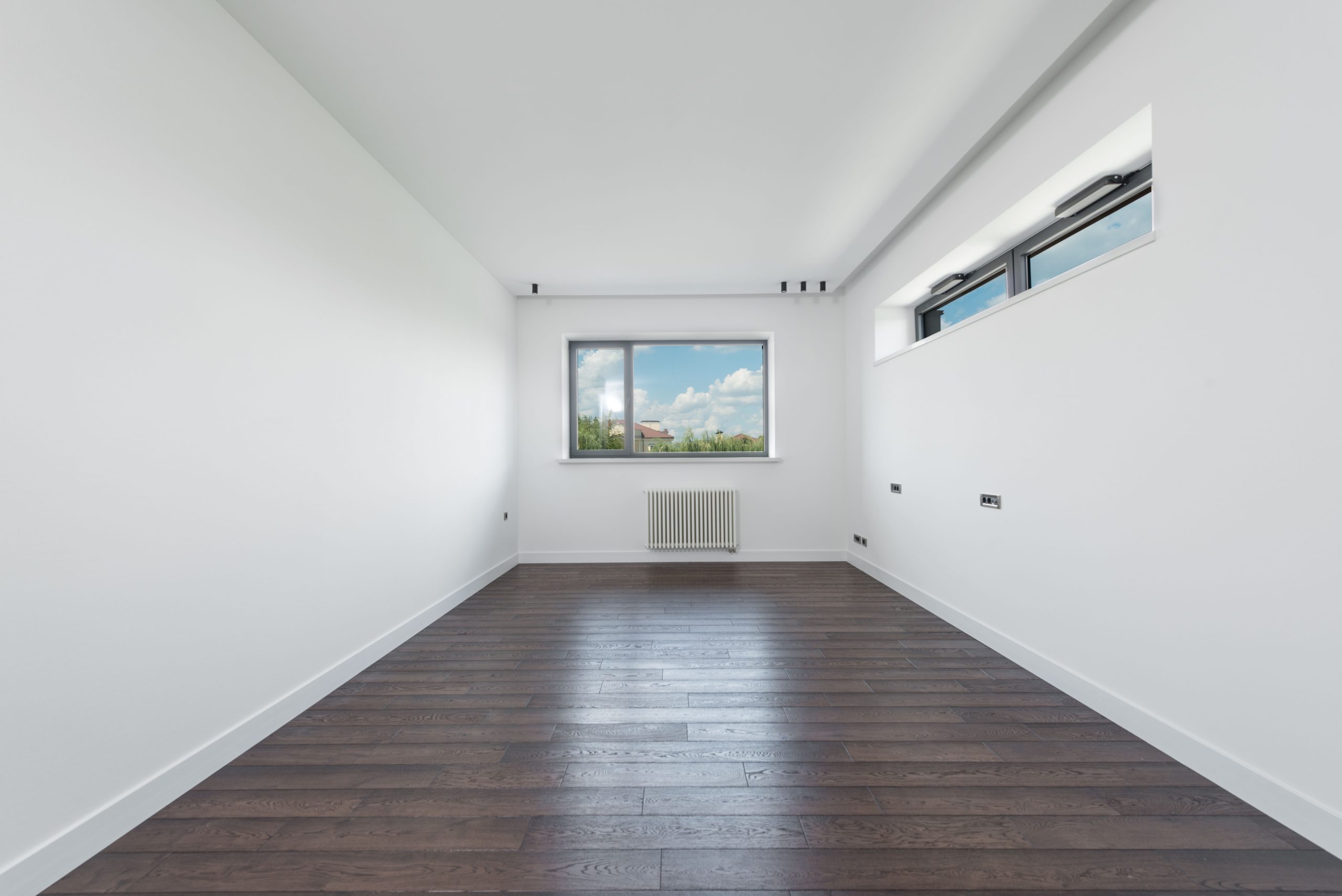
Hardwood Floor Refinishing in Tennessee: Costs, Timing and When Not To Sand
Refinishing is the highest-return flooring project in Tennessee, because a great many houses here already have a floor worth saving under the carpet. It is also the project with the single most damaging timing error.
Never sand a floor that is still cupped
This is the one that costs real money. A hardwood floor that has cupped over a humid summer has raised edges and a low center. Sanding it flat in August removes the high edges. When the crawl space dries down in autumn and the boards flatten out, the center of every board is now proud of the edges — the floor is crowned, and crowning cannot be sanded out without taking the floor down close to the tongue.
The sequence that works: fix the moisture source, wait, then sand. Get the crawl space below 55% relative humidity, run the house normally through a full seasonal swing, and re-measure. A large share of cupped floors flatten far enough on their own that they need only a screen and recoat instead of a full sand.
How many times can a floor be sanded
A 3/4 in solid floor has roughly 1/4 in of wood above the tongue, which is four to six full sandings across its life — enough for a century of ordinary use. Engineered flooring depends entirely on its wear layer: a 2 mm layer takes one careful sanding, a 6 mm layer takes two or three, and a thin 0.6 mm veneer takes none at all. Measure at a floor vent or a doorway threshold before anyone starts.
Screen and recoat, versus a full sand
If the finish is dull and lightly scratched but the wood underneath is not stained or worn through, a screen and recoat abrades the existing finish and lays a new coat over it. It costs a fraction of a full sand, takes a day, and removes no wood at all. It is the right answer far more often than it is offered.
A full sand is for gray or water-stained boards, deep gouges, pet damage that reached the wood, or a change of color. A color change is the reason most full sands actually happen.
Finish choice in a humid climate
- Water-based polyurethane — low odour, dry to walk on in hours, stays clear rather than ambering. Coats can be laid the same day, which matters when a floor has to be back in service quickly.
- Oil-modified polyurethane — tougher per coat, ambers over time in a way many people like on oak, and needs far longer between coats. In a humid Tennessee week that cure window can stretch past what the schedule allows.
- Hardwax oil — penetrates rather than films, repairs in patches instead of requiring a full recoat. Wonderful for a floor that will take damage, and it needs actual maintenance.
Humidity affects cure time more than most people expect. A finish that says “recoat in four hours” means at moderate humidity; at 70% indoor RH it is considerably longer, and recoating early traps solvent and produces a soft finish that scuffs for years.
What it costs
Refinishing in Tennessee generally runs $3 to $8 per square foot, against $6 to $22 to install a new hardwood floor. When the existing floor is sound, refinishing is not the cheaper option so much as the obviously correct one — and in the older neighborhoods it also preserves the original material, which is part of what the house is worth.
An estimate, not a quote. These are planning ranges for Tennessee, not a quote. What you actually pay depends on your rooms, your subfloor and the material you choose.
Can I refinish floors that have been carpeted for decades?
Usually, and they are often in better shape than exposed floors because the carpet protected them. The two things that stop it are pet urine that soaked through to the wood, which leaves black staining that will not sand out, and tack strip damage at the perimeter, which is normally repaired board by board.
How long before furniture goes back?
Walk on it in a day with a water-based finish; wait considerably longer with oil-modified. Full cure is a different question from dry-to-touch — most polyurethanes reach full hardness in two to four weeks, and rugs laid down early can leave a permanent outline.
Is dustless sanding real?
It is a great deal better than sanding without extraction, and it is not literally dust-free. Expect a fine film in adjoining rooms whatever the equipment.